How to Reduce Food Waste at Home
The average American wastes $760 worth of food per year, and the average household of four wastes $2,900. The most effective way to reduce food waste at home is to know what you have before it expires. Pantry tracking apps like Calfo alert you before food goes bad and suggest recipes that use up ingredients before they're wasted.
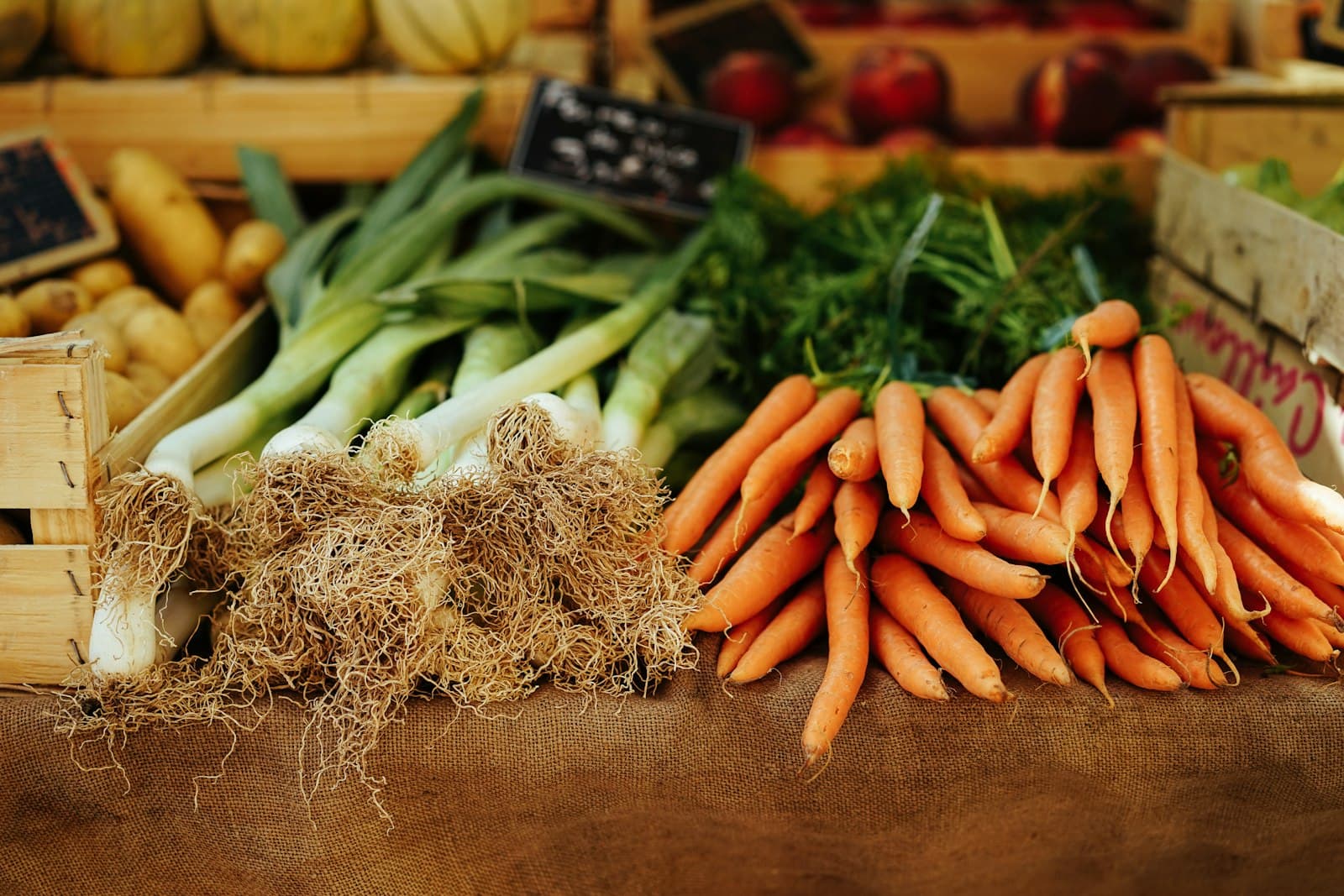
Why so much food gets wasted at home
Household food waste rarely comes from carelessness. It comes from three predictable mechanics. First, over-buying: shopping without knowing what's already at home, so duplicates pile up. Second, invisibility: refrigerators and pantries hide food, and what you can't see, you don't cook. Third, date-label confusion: "best by" dates describe peak quality, not safety, but most people treat them as hard deadlines and throw away food that's still perfectly good.
Each of these is an information problem, not a willpower problem, which is why the fix is knowing your kitchen, not trying harder.
Habits that actually move the number
Shop from your kitchen, not from memory. Check what you have before every trip and buy only the gaps. This single habit eliminates most duplicate purchases.
Practice first-in, first-out. When you unpack groceries, move older items to the front. Restaurants run on this rule because it works.
Give food a visible deadline. Keep a use-first shelf or bin in the fridge for anything close to expiring, and plan one "use-it-up" dinner each week: a soup, stir-fry, or fried rice built entirely from what needs to go.
Freeze before it turns. Bread, cooked grains, most meats, shredded cheese, and even milk freeze well. Ten seconds of moving something to the freezer saves the entire purchase.
Learn what date labels mean. "Use by" is about safety on perishable items; "best by" and "sell by" are quality guidelines. Smell and appearance are better guides for most foods than the printed date.
The money side
Food waste feels like an environmental issue, and it is. But at the household level it's a budget line. At $2,900 a year for a family of four, wasted food costs more than most utility bills. Cutting waste in half funds a vacation without changing what you eat, because the food was already bought; it just never got used. Framing waste as "money already spent" is what makes the habits above stick.
Tracking closes the loop
Every habit above depends on the same thing: knowing what's in the kitchen and when it expires. That's the part an app can own. Calfo keeps a live inventory of your fridge, pantry, and freezer, alerts you before items go bad, and recommends recipes that use expiring ingredients first, so the use-it-up dinner plans itself. You provide the cooking; the app provides the visibility.
How Calfo helps
- Alerts you before food expires, while there's still time to cook it
- Recommends recipes that use up your expiring ingredients first
- Shows what you already own so you stop buying duplicates
- Tracks fridge, pantry, and freezer in one live inventory
Frequently asked questions
What is the most effective way to reduce food waste at home?
Know what you have before it expires. Most household waste comes from over-buying and forgetting, so keeping a current inventory of your kitchen, checking it before shopping, and cooking expiring items first eliminates the biggest sources of waste.
How much money does the average family waste on food?
Studies estimate the average American wastes about $760 of food per year, and a household of four around $2,900. Nationally, food waste totals hundreds of billions of dollars annually.
Does food expire on its best-by date?
Usually not. "Best by" and "sell by" dates indicate peak quality, not safety. Only "use by" dates on highly perishable items are safety guidance. For most foods, appearance and smell are more reliable than the printed date.

Cook from what you already have
Calfo tracks your pantry, watches expiration dates, and recommends recipes from the ingredients in your kitchen. Free to download on iPhone.
